A Mason jar bird feeder can work well, but the jar alone is not enough: the base must match the food and bird size. Use a gravity base for dry seed, a purpose-built port base for hummingbird nectar, and a weather-protected hanging design outdoors.
Table of Contents
Advertisement
Mason jar bird feeder: match jar, food, and base
A jar feeder works only if the food can leave it at a controlled rate: seed needs a dry tray where birds can pick it up, while nectar needs sealed feeding ports that prevent leaks and can be scrubbed inside.
Seed and nectar need different bases
A seed base uses gravity, with the jar upside down so seed settles into a shallow tray as birds feed. A nectar base needs covered feeding ports, safe edges, and a gasket that stops sugar water from dripping; use a 4-to-1 sugar-water ratio of four parts water to one part plain white sugar, with no red dye, honey, or sweetener.
Choose seed for the birds you see
Black-oil sunflower attracts chickadees, nuthatches, cardinals, jays, and many other North American backyard birds. Safflower may suit cardinals and discourage some squirrels, though it will not stop a determined one, while fine nyjer seed belongs in a purpose-built tube feeder with tiny ports rather than a broad Mason jar tray.
Jar size and closure dimensions matter more than the jar's appearance. A regular-mouth pint jar holds about 16 fluid ounces and is light enough for a small hanging setup, whereas a quart jar holds roughly twice as much seed but becomes substantially heavier when full. Regular-mouth closures are commonly about 70 mm across, while wide-mouth jar threads generally fit closures around 86 mm; always follow the base maker's compatibility listing instead of forcing a lid or adapter.
For a low-cost build, reuse an undamaged jar and buy only a bird feeder base and stainless-steel hanger. Add a small roof, commercial dome, or sheltered mounting position for feeder rain protection, but keep drainage openings clear so water cannot cause seed tray flooding.
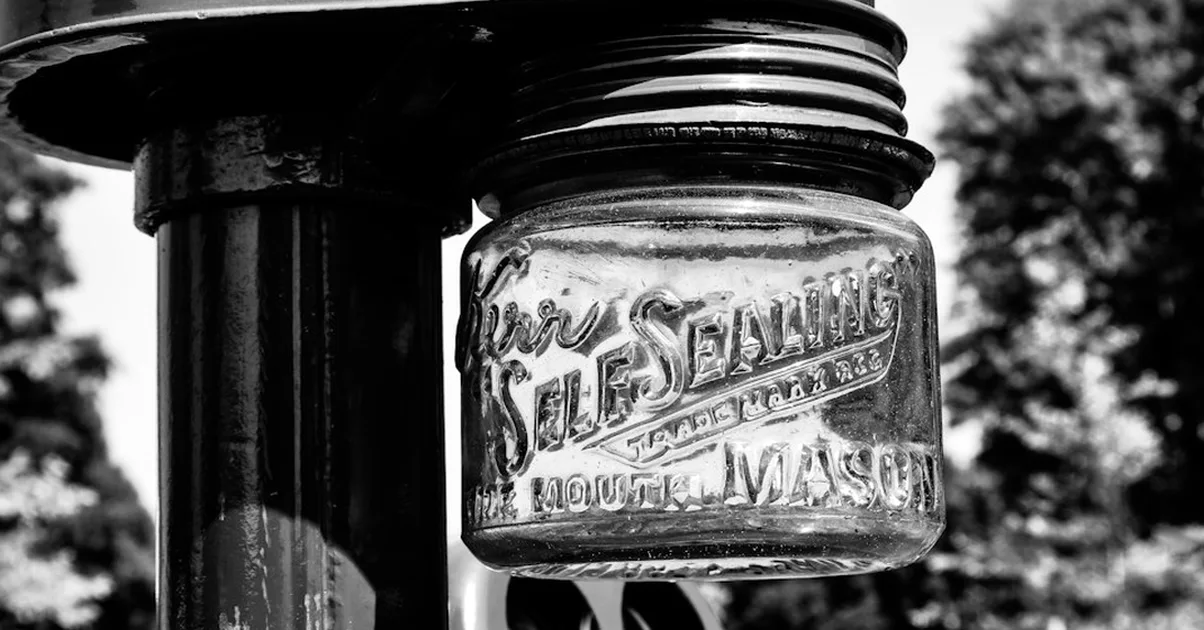
Four builds and the seed-flow test that matters
An inverted jar with a feeder tray is the best DIY choice for most seed-eating birds, but confirm that the base fits your jar’s regular-mouth or wide-mouth threads before buying it.
| Build | Best food | Typical U.S. Cost | Main failure |
|---|---|---|---|
| Inverted jar with tray base | Sunflower or safflower | $10 to $20 | Seed flooding tray |
| Finished glass jar feeder | Mixed larger seed | $15 to $30 | Rain entering tray |
| Jar nectar-port base | Sugar water only | $20 to $40 | Leaking gasket or dirty ports |
| 3D-printed adapter | Tested dry seed only | $5 to $15 in parts | Wrong threads or sharp edges |
Test the feeder before you hang it
Put the assembled feeder over a baking sheet or plastic tote, add one cup of the exact seed mix you plan to offer, invert the jar, and wait between 3 and 5 minutes. The tray should receive a thin layer of seed and stop; steady pouring means the outlet is too open, while an empty tray suggests bridging or an opening that is too small.
Build with safe, simple materials
For a dependable Mason jar seed feeder, begin with a clean, completely dry regular-mouth pint jar and a gravity feeder tray specifically listed for that jar closure. Thread the base on firmly, add one cup of dry black-oil sunflower seed, and invert the feeder over a tote or baking sheet. This seed flow test should leave a shallow ring of seed in the tray within 3 to 5 minutes, then slow down. If seed continues pouring, the outlet is too large; if little reaches the tray, gently tap the jar and check for bird seed bridging caused by damp seed, husks, or an opening that is too narrow.
Do not hang the feeder until it passes this test twice with the same seed mix.
Choose the design according to the birds, weather, and amount of DIY work you want to do. An inverted jar with a tray is the most practical all-purpose seed feeder, while a hanging jar with a wooden spoon or dowel perch can suit chickadees and nuthatches but tends to spill more seed and gives rain more access. A 3D-printed adapter is useful when you can confirm its thread fit and smooth every bird-contact edge.
A finished glass jar feeder is often the simplest option for a gift because it includes the tray, hanger, and lid components, but inspect its drainage holes, perch strength, and replacement-part availability before buying.
Advertisement
Keep seed dry, nectar safe, and squirrels out
A covered location and a clean base matter more than a glass container, because rain, humidity, and damp food can create mold even when the jar looks spotless.
Clean the whole feeder, not just glass
Wash the jar, tray, ports, gasket, and perch with hot water and a feeder brush. Rinse until no soap remains, then let every part dry fully before adding fresh food; clean seed feeders at least weekly, and replace hummingbird nectar every 2 to 3 days in hot weather or every 4 to 7 days in cool conditions.
Outdoor jar feeders are for free-flying wild birds, not for budgerigar feeding or canary feeding indoors. Pet birds need stable cage bowls where droppings cannot fall into food, plus diets chosen for their species and health needs.
Questions & answers
How do you make a bird feeder from a Mason jar?
Use a compatible seed tray base, then test one cup of seed for 3 to 5 minutes before hanging it. The tray should fill lightly and stop; steady pouring means the outlet is too large.
Can I use a Mason jar for hummingbird nectar?
Use a Mason jar for nectar only with a purpose-built hummingbird base that has brushable feeding ports and a good gasket. Fill it with four parts water and one part white sugar, without dye.
How often should I clean a Mason jar feeder?
Clean seed trays at least weekly and clean nectar feeders every 2 to 7 days, based on temperature. Wash the base and gasket as well as the glass, because residue collects where the jar screws on.
How do I stop squirrels from reaching a jar?
Hang the feeder 8 to 10 feet from jump-off points and add a properly sized baffle. Moving it away from a deck rail usually works better than switching to safflower seed alone.
- Match regular-mouth or wide-mouth threads before buying a base.
- Test actual seed in the feeder before placing it outdoors.
- Keep seed trays dry and scrub every part that touches food.
- Use a separate, purpose-built port base for hummingbird nectar.
- Block squirrel jump paths before they turn your feeder into their snack bar.
Learn more
Here are some additional resources on this subject:
- Cardinal Mason Jar Bird Seed Gift DIY Craft — google.com
- Bird Feeder Mason Jar — google.com
- DIY Mason Jar Bird Feeder in Minutes — thecountrychiccottage.net

The Bird Care Guide Team
Our guides are based on comparing specialized avian care sources, breeder input, and recognized animal welfare guidelines — we are not veterinarians or professional breeders, and we say so where it matters.
The information on this site is general in nature. For any concerns about the health or wellbeing of your bird, always consult an avian veterinarian.