For bird seed for blue jays, start with black oil or striped sunflower seed and unsalted peanuts in a sturdy tray or platform feeder. Skip bargain mixes led by millet and filler grains; jays often scatter them while hunting for bigger pieces. A dry, strong feeder with room for cardinals gives both birds a practical place to eat.
Table of Contents
Advertisement
Blue jays choose large seed over cheap mixes
Blue Jays, or Cyanocitta cristata, prefer large seeds and nuts, so match sunflower or peanuts to their strong bills and a sturdy feeder.
| Food | Waste | Best feeder | Best use |
|---|---|---|---|
| Black oil sunflower | Medium hull litter | Large hopper or tray | Jays and cardinals together |
| Striped sunflower | More hull litter | Platform feeder | Large-billed birds |
| Sunflower hearts | Low hull litter | Tray or hopper | Cleaner patios, more small birds |
| Unsalted peanuts | Low to medium | Tray or peanut feeder | A dedicated jay station |
| Cheap mixed seed | Often high | Not ideal | Only if ingredients are sunflower-forward |
Black oil versus striped sunflower
Black oil sunflower seeds have thinner shells, so Blue Jays, cardinals, chickadees, and finches can open them easily. Striped sunflower has a thicker shell and slows down smaller birds, but the discarded hulls can build up below a feeder faster.
A frequent mistake is treating a millet-heavy mix as equal to a sunflower-rich blend because both bags say “wild bird seed.” Jays often pick out sunflower or corn pieces, then scatter millet, wheat, and tiny seeds while searching. That waste can attract rodents beneath the feeder.
Safflower is a useful secondary ingredient, but it is not a replacement for sunflower when Blue Jays are the goal. Its hard, white shell suits large-billed birds such as jays and Northern Cardinals, while some smaller birds show less interest in it. A quality wild bird seed mix can use safflower to diversify a sunflower-rich bird seed blend, especially where squirrels are persistent, but the ingredient list should still lead with black oil sunflower seed, striped sunflower seed, or both.
Avoid treating safflower as a magic squirrel-proof option: hungry squirrels may still eat it, and jays generally visit more reliably when sunflower and a few plain peanuts remain available.
Match seed to a stable feeder
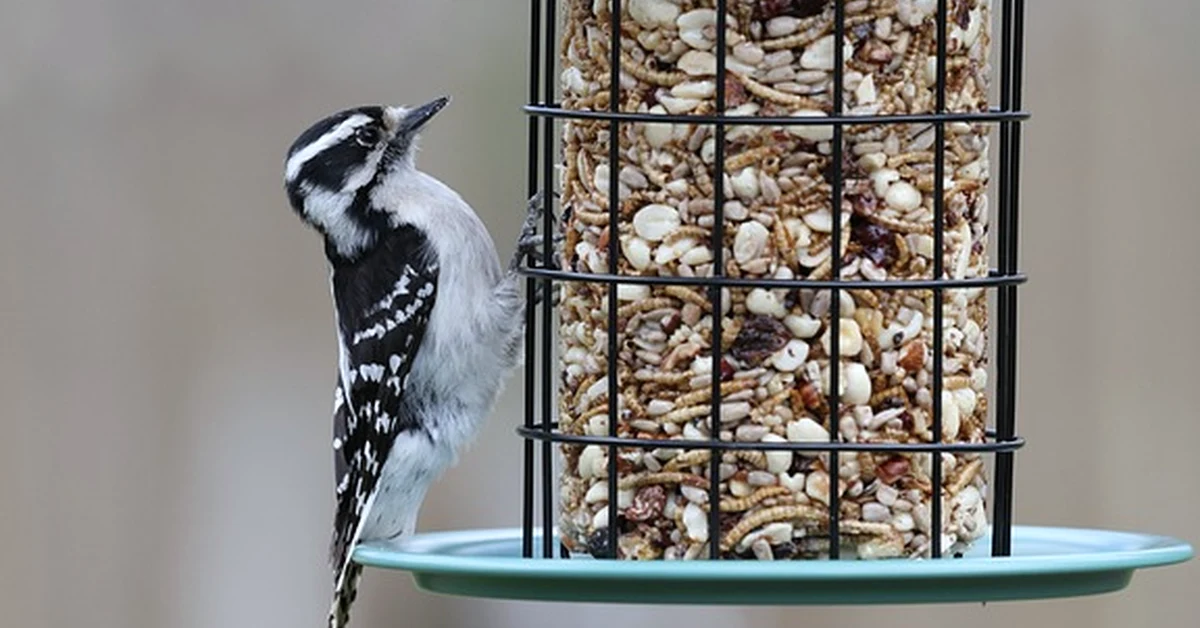
Blue Jays and Northern Cardinals do best with a wide platform, tray, or sturdy hopper feeder rather than a narrow tube feeder.
A squirrel-resistant bird feeder is not automatically Blue Jay-friendly. Some weight-activated models close under a jay's weight, so check the stated weight setting before buying. A hopper with a broad ledge is often a better compromise.
Drainage prevents wet seed
Choose a tray with drainage holes and a roof that sheds rain. Seed that remains wet for more than 24 to 48 hours can clump, spoil, or grow mold, including molds that may produce aflatoxin, a harmful natural toxin.
Sunflower-first seed
Wide, drained tray
Dry food every day
Separate jay station
Store unopened or leftover seed in a cool, dry place in a sealed metal or heavy-duty plastic container, and buy an amount birds can use while it remains fresh. Do not top off old seed with new seed; empty and brush out the feeder first so damp fragments do not stay trapped underneath. Good bird feeder drainage means using clear drain holes, keeping seed below the lip of a tray, and checking that rain cannot collect in corners.
If seed feels damp, clumps together, smells musty, or shows any sign of wet seed mold, discard it rather than drying it out for reuse. Smaller refills are safer than leaving a platform full through several wet days.
Advertisement
Separate stations let cardinals feed too
Feed Blue Jays and cardinals at two stations: place a sturdy platform with striped sunflower or peanuts 10 to 20 feet from a hopper or tray with black oil sunflower.
Give jays a peanut station
Offer whole, halved, or shelled peanuts that are unsalted, unseasoned, and mold-free. Whole peanuts slow access and suit a platform or mesh peanut feeder; shelled peanuts are easier to eat, create less shell mess, and may draw more species.
Keep cardinals fed without conflict
This works well in theory, but in practice a single oversized tray can still become a jay gathering point. A common case is three to five jays arriving at breakfast, leaving cardinals waiting in shrubs. Moving the second feeder farther away, rather than starving the jays, usually gives both species a usable feeding window.
Adjust food through the year
In winter, sunflower and peanuts offer dense energy during cold weather. In fall, jays may cache whole peanuts and seeds, meaning they carry food away to hide it for later. During nesting season, keep feeders especially clean and do not rely on seed as the only food available around the yard.
Blue Jays are easier to attract when the feeding station fits into a bird-friendly yard rather than standing alone in an exposed lawn. In autumn, they naturally collect and cache acorns, so oak trees or fallen acorns can be part of the food landscape even if they are not placed in a feeder. Nearby shrubs and mature trees give jays a place to pause, watch for danger, and carry peanuts or seeds away for caching.
A shallow, regularly refreshed water source can also make a yard more inviting. Keep feeder areas open enough for birds to spot predators, while retaining cover several yards away instead of placing food directly inside dense bushes.
Frequently asked questions
What seeds do blue jays eat at feeders?
Blue Jays commonly eat black oil sunflower, striped sunflower, sunflower hearts, safflower, and unsalted peanuts. Large seeds and nuts work better than mixes dominated by millet, wheat, or small filler grains.
What is the best bird feeder for blue jays and cardinals?
A wide platform, tray, or large hopper feeder works best for Blue Jays and cardinals. Use two feeders about 10 to 20 feet apart if jays keep pushing cardinals away.
Are peanuts safe for blue jays?
Unsalted, unseasoned, fresh peanuts are safe for Blue Jays when they show no mold or musty odor. Remove wet peanuts within 24 to 48 hours after rain or snow.
Can I feed blue jays cheap wild bird seed?
Cheap wild bird seed can feed Blue Jays, but jays often toss millet, wheat, and small grains to reach sunflower pieces. A sunflower-first blend usually produces less waste below the feeder.
How often should I clean a blue jay feeder?
Clean a feeder at least every two weeks in dry weather and immediately after food gets wet or soiled. Wash it more often during humid weather, heavy use, or reports of sick birds.
- The essentials: Buy sunflower-first seed instead of a filler-heavy bargain mix.
- The essentials: Use a drained platform or broad hopper, not a small finch tube.
- The essentials: Keep peanuts fresh, plain, and limited to what birds finish promptly.
- The essentials: Separate jay and cardinal stations to reduce crowding without removing preferred food.
Further reading
If you want to learn more about this topic, these sources may interest you:
- How To Attract Blue Jays — farmandfleet.com
- Is there a seed that blue jays don't like? : r/birding — reddit.com

The Bird Care Guide Team
Our guides are based on comparing specialized avian care sources, breeder input, and recognized animal welfare guidelines — we are not veterinarians or professional breeders, and we say so where it matters.
The information on this site is general in nature. For any concerns about the health or wellbeing of your bird, always consult an avian veterinarian.