The best sugar for hummingbird nectar is plain white granulated sugar, mixed at a safe 1:4 ratio—one part sugar to four parts water. Skip honey, brown sugar, artificial sweeteners, powdered sugar, and red dye. The right ingredients, fresh nectar, and regular cleaning help prevent spoilage, discourage ants, and keep the feeder safer in warm weather.
Table of Contents
Advertisement
White granulated sugar is the safe feeder choice
Plain, refined white granulated sugar is the dependable choice because it is mostly sucrose, the natural sugar found in flower nectar. A 4-to-1 water-to-sugar ratio means four measuring cups of water for each cup of sugar. Think of it like making a familiar sports drink recipe: changing the powder amount changes what the body receives.
Cane sugar and beet sugar both work
Plain cane sugar or beet sugar works when it is refined white granulated sugar with no flavorings or added ingredients.
Red feeder parts replace red dye
Red feeder parts can help birds notice the feeder, but red dye in nectar adds nothing nutritionally and is unnecessary.
A reliable hummingbird nectar recipe uses only white granulated sugar and plain water: combine 1/4 cup of sugar with 1 cup of water, or 1/2 cup of sugar with 2 cups of water. This is the standard four-to-one nectar ratio, meaning four parts water to one part sugar. Stir until every crystal dissolves, then let the mixture cool completely before filling the feeder.
Boiling the water can help dissolve sugar and is useful when preparing a larger batch, but it is not required if the sugar dissolves fully in clean water. Refrigerate extra nectar in a covered container and use it within about a week.
Bird-focused guidance is consistent on the basic formula: organizations such as the National Audubon Society and the Smithsonian Migratory Bird Center advise offering a simple solution of white sugar and water rather than commercial mixes or household sweeteners. Sucrose for hummingbirds supplies the energy that artificial sweeteners do not.
This approach also keeps fresh hummingbird food simple and predictable.
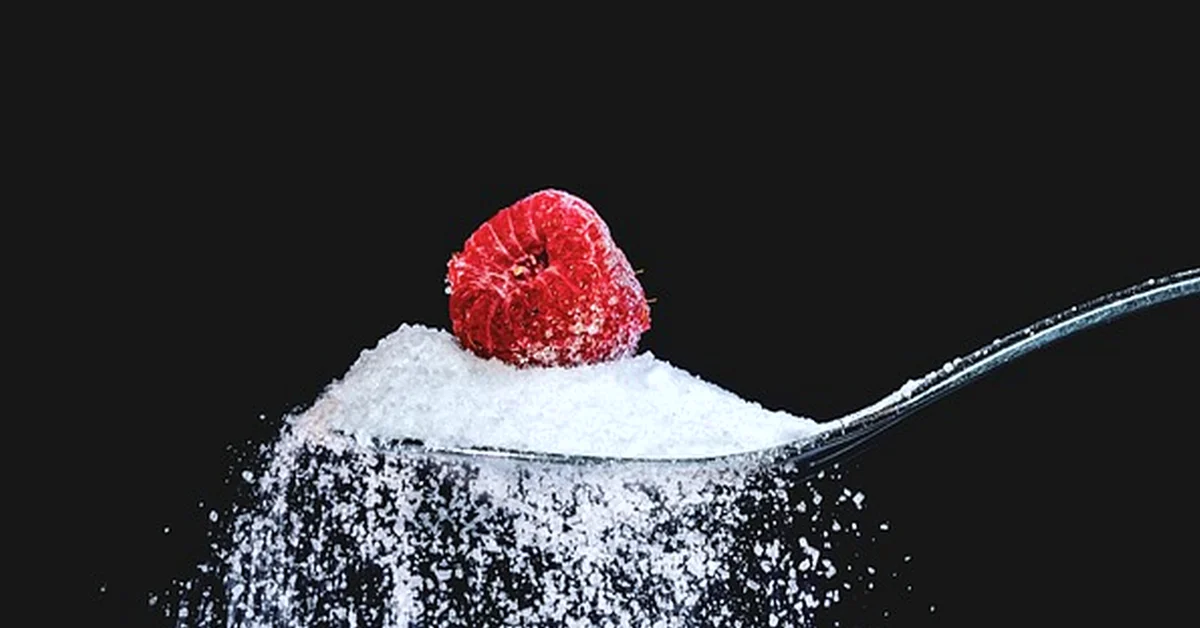
Honey, brown sugar, and sweeteners do not belong
What not to put in hummingbird food is straightforward: honey, brown sugar, raw sugar, molasses, powdered sugar, artificial sweeteners, syrups, and dye. These choices either change the nectar mixture, add unwanted ingredients, or fail to provide usable calories for a bird that may beat its wings 50 to 80 times per second.
| Ingredient | Feeder status | What it adds or lacks | Best decision |
|---|---|---|---|
| White granulated cane or beet sugar | Safe | Sucrose only when label is plain | Use at 4-to-1 |
| Brown, raw sugar, or molasses | Discouraged | Minerals and molasses compounds | Do not use |
| Honey or syrup | Avoid | Can support fermentation and microbial growth | Do not use |
| Powdered sugar | Avoid | Often includes starch or anti-caking agents | Do not use |
| Artificial sweeteners | Avoid | Sweet taste but no sucrose calories | Do not use |
Can hummingbirds have honey?
No. Honey can support mold and bacteria growth after it sits in a feeder, especially in warm weather.
Advertisement
Make and replace nectar before it spoils
In practical feeder care, heat changes the schedule. Replace nectar every 1 to 2 days when daytime temperatures are above 90°F, every 2 to 3 days around 80°F to 89°F, and every 3 to 5 days in cooler weather. Direct sun, a busy feeder, and dirty ports can shorten those ranges.
Boiling water is optional
Clean ports and seams at every refill
1 part sugar
4 parts water
Stir until clear
No additives
Fill only with
cooled nectar
Every 1 to 2 days
above 90°F
Watch for nectar spoilage before the scheduled change date. Cloudiness, floating particles, a sour smell, dark residue, mold, or sticky buildup around feeding ports all mean the sugar water should be discarded immediately. For consistent hummingbird feeder cleaning, empty the feeder, take apart removable pieces, and scrub ports, seams, and the reservoir with a small brush and hot water at every refill.
Rinse thoroughly so no cleaning residue remains. This warm-weather feeder care matters most in direct sun, where heat speeds spoilage; placing the feeder in bright shade can support safer hummingbird feeder maintenance while still keeping it visible to birds.
Choose plain sugar, not human sugar substitutes
Plain white granulated sugar is the answer whether you are comparing brown sugar prices, raw sugar, honey, or a diabetic sweetener.
What people ask
Can hummingbirds have honey in nectar?
No. Honey can support mold and bacteria growth after it sits in a feeder, especially above 80°F. Use white granulated sugar and water at a 4-to-1 ratio instead.
What not to put in hummingbird food?
Do not put honey, brown sugar, raw sugar, molasses, powdered sugar, artificial sweeteners, syrups, or red food coloring in hummingbird food. If a product is sugar-free, flavored, colored, or blended, leave it out.
Can I use sugar for diabetics?
No. Sugar substitutes for diabetes do not supply the sucrose calories hummingbirds need for flight. Plain refined white granulated sugar is the correct feeder ingredient.
How long can nectar stay in a feeder?
Nectar can stay for 1 to 2 days above 90°F, 2 to 3 days between 80°F and 89°F, and 3 to 5 days in cooler conditions. Replace it immediately if it turns cloudy or shows mold.
Advertisement
Fill the feeder with cooled 4-to-1 nectar
Measure white granulated sugar and water at one-to-four, stir until clear, and wait until the nectar is cool. Fill only a clean feeder, then pour out and scrub the feeder before each refill. This simple routine gives visiting hummingbirds the safest standard sugar water without honey, dyes, or sugar substitutes.

The Bird Care Guide Team
Our guides are based on comparing specialized avian care sources, breeder input, and recognized animal welfare guidelines — we are not veterinarians or professional breeders, and we say so where it matters.
The information on this site is general in nature. For any concerns about the health or wellbeing of your bird, always consult an avian veterinarian.