As fall approaches, base hummingbird feeder removal on activity in your yard and overnight temperatures, not a fixed calendar date.
Table of Contents
Advertisement
Check local birds before removing a feeder
Check recent sightings and the next seven nights of temperatures before taking the feeder down.
Use this five-part check
Use your location, last sighting, species, daytime heat, and overnight lows together. In northern regions, removal is often reasonable after no confirmed sightings for 7 to 14 days; in Florida, Texas, the Southwest, California, and the Pacific Coast, check local reports because late migrants or winter birds may arrive.
Compare your region, not one date
| Area | Common fall pattern | After last sighting | Winter action |
|---|---|---|---|
| Northeast and Upper Midwest | Ruby-throated birds usually pass through by fall | Keep fresh nectar 7 to 14 days | Clean and store after no activity |
| Southeast and Gulf Coast | Late migrants and winter visitors are possible | Wait 14 days and check local reports | Keep one feeder ready longer |
| Texas and Southwest | Several species may move through late | Use sightings plus night lows | Maintain nectar where birds remain |
| California and Pacific Coast | Anna's may stay year-round | Do not use a fall removal rule | Feed year-round with freeze checks |
Use a regional calendar as a starting point, not as a mandatory removal date. In much of southern Canada, the Northeast, and the Upper Midwest, fall hummingbird feeding often continues from August into September, with occasional late hummingbird migrants appearing later. In the Southeast and Gulf Coast, hummingbird migration timing can extend into October or November, while Texas, the Southwest, coastal California, and parts of the Pacific Northwest may receive winter hummingbird visitors.
Local sightings should always outweigh a calendar when deciding when to remove a feeder. If a bird is still using a feeder in winter, keep fresh nectar available at a 1:4 nectar ratio and monitor feeder freezing during cold nights.
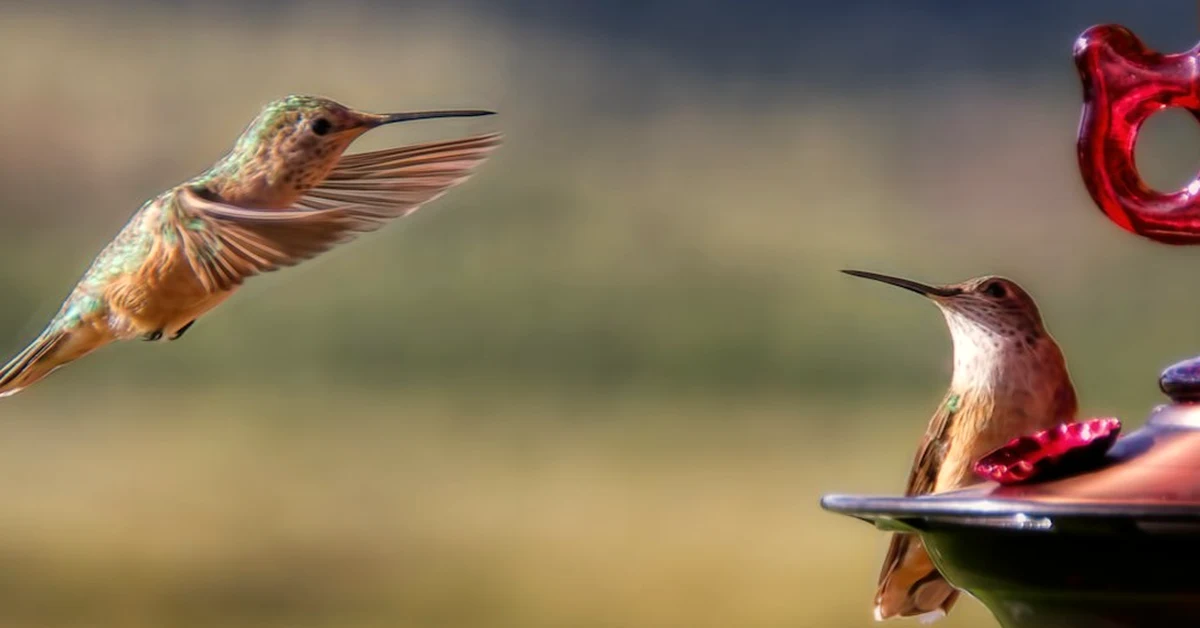
Keep fresh nectar for late migrants
Keep one clean feeder available when a hummingbird is still visiting or may be passing through.
Mix nectar the safe way
Mix 1 part plain white sugar with 4 parts water, cool it, and replace it before it spoils. Change nectar every 1 to 2 days above 90°F and every 2 to 3 days in mild fall weather; never add dye, honey, sweeteners, vitamins, or extra sugar.
Watch a late bird from afar
Watch from several feet away and contact a licensed rehabilitator if a bird cannot perch or fly normally. Keep fresh nectar out and pets indoors, but do not catch, force-feed, or bring a hummingbird inside without professional instructions.
Advertisement
Protect winter hummingbirds from freezes
Bring feeders indoors overnight whenever nectar can freeze, then return them outside at dawn.
Rotate two clean feeders
Rotate two identical feeders during freezing weather so one is thawed, clean, and available. Check feeding ports regularly because ice can block them even when the reservoir still looks liquid.
Keep predators and pets apart
Hang the feeder away from cats, nearby cover, and windows. A feeder is useful only when birds can reach safe, unfrozen nectar and someone can inspect it daily.
Clean and store the feeder without mold
Empty, scrub, rinse, and completely dry every feeder part before storage.
Scrub every small opening
Take the feeder apart and scrub the reservoir, base, ports, flowers, seams, and gasket. Replace cracked seals or parts that cannot be cleaned fully.
Dry before putting it away
Air-dry every piece completely before assembly or storage. Store the dry feeder in a clean box or breathable bag, never in an airtight container while damp.
For thorough hummingbird feeder cleaning at the end of the season, scrub first with hot water and a dedicated small brush; this removes residue that can protect mold and bacteria. If you find visible mold, black residue, or buildup in ports and seams, disinfect the fully disassembled feeder with a solution of 1/4 cup unscented household bleach per gallon of water.
Rinse every piece repeatedly until no bleach odor remains, then air-dry it completely. Never mix bleach with other cleaners. Complete drying is essential for safe hummingbird feeder storage, especially around gaskets, threads, flowers, and feeding ports.
Your questions answered
When should I take down my hummingbird feeder?
Take it down after no confirmed sightings for about 7 to 14 days, unless your area has winter hummingbirds or late migrants.
Will a feeder make hummingbirds stay too late?
No. Day length and internal biological cues guide migration, while clean nectar helps birds refuel.
How often should I change nectar in fall?
Change it every 2 to 3 days in mild weather and every 1 to 2 days above 90°F.
What should I do if nectar freezes overnight?
Bring the feeder indoors before freezing and return it outside near dawn.
Should I make stronger nectar when it is cold?
No. Use 1 part white sugar to 4 parts water in every season.
What do I do with a weak hummingbird?
Keep fresh nectar available, reduce noise and pets, and contact a licensed wildlife rehabilitator.
Can Anna's hummingbirds stay all winter?
Yes. They may remain year-round in much of California and parts of the Pacific Coast.
Advertisement
Follow this removal plan today
- Use sightings first: wait about 7 to 14 days after the last confirmed hummingbird in regions without winter birds.
- Use regional context: Florida, Texas, the Southwest, California, and the Pacific Coast may need feeders longer or all year.
- Keep nectar safe: mix white sugar and water at 1:4, then replace it before it spoils or freezes.
- Respond safely: a weak or injured hummingbird needs a licensed wildlife rehabilitator, not home handling.
- Store it dry: scrub and fully air-dry every port, seam, and gasket before packing the feeder away.
Further reading
If you want to learn more about this topic, these sources may interest you:
- When do you put out and take down hummingbird feeders? — google.com
- Almost put feeder away : r/hummingbirds — google.com

The Bird Care Guide Team
Our guides are based on comparing specialized avian care sources, breeder input, and recognized animal welfare guidelines — we are not veterinarians or professional breeders, and we say so where it matters.
The information on this site is general in nature. For any concerns about the health or wellbeing of your bird, always consult an avian veterinarian.