Table of Contents
Advertisement
Why the Western Australia H5 Notice Matters at Home
The Western Australian Government has published a notice concerning H5 avian influenza, commonly called bird flu. For people who maintain backyard bird feeders, bird baths, aviaries, or companion birds, the important question is not whether a feeder caused the event. It is how to reduce avoidable contact between birds, contaminated droppings, shared water, and people while official animal-health authorities investigate and manage the situation.
H5 is a subtype label, not a complete risk assessment by itself. Avian influenza viruses vary in their effects on different bird species and settings. Wild waterbirds may sometimes carry influenza viruses with few obvious signs, while poultry and captive birds can become seriously ill depending on the virus strain and exposure. That is why owners should avoid assuming that a healthy-looking bird is necessarily free of infection—or that every sick bird has bird flu.
For a site focused on feeders, cages, and baths, the key practical lesson is simple: shared food and water surfaces concentrate bird traffic. During an avian-influenza response, those surfaces deserve more deliberate management than usual.
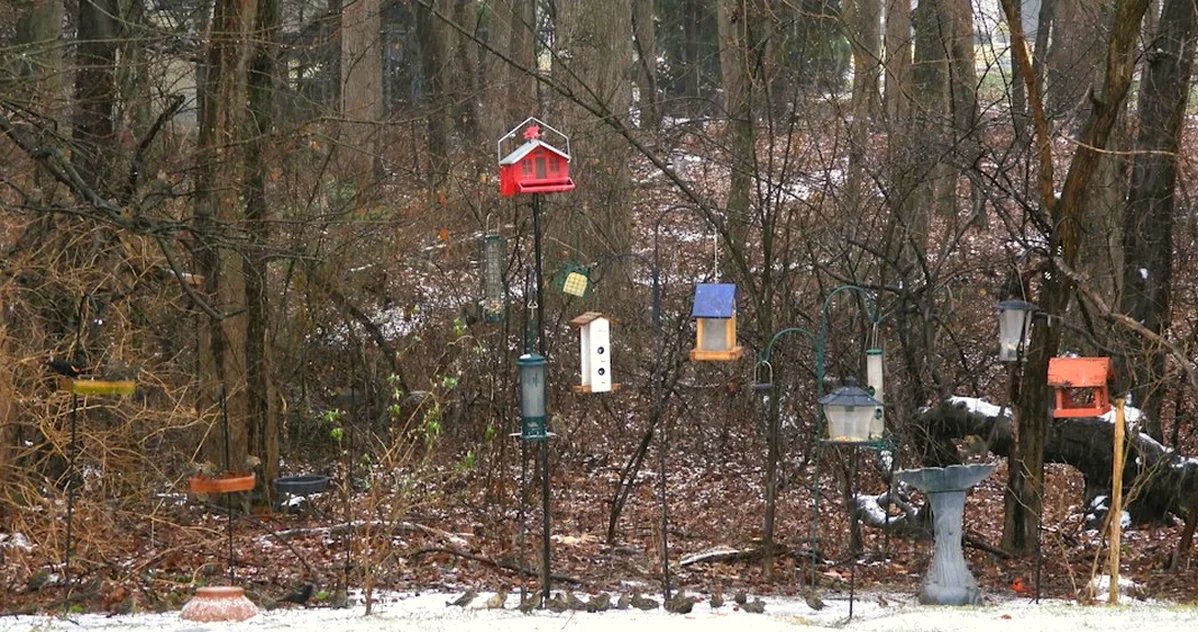
Feeders and Bird Baths Are Contact Points, Not the Root Cause
Bird feeders and baths are not automatically unsafe, and responsible bird watching should not be confused with poultry production or wildlife rescue. However, they can create conditions that increase contact among birds. A crowded tray feeder may accumulate seed hulls, droppings, and saliva. A shallow bird bath can collect fecal matter, mud, and organic debris. If an infected bird uses a shared surface, another bird may encounter contamination shortly afterward.
The risk is especially relevant where feeders attract pigeons, doves, waterfowl, gulls, or large mixed flocks. It also rises when a backyard contains domestic chickens, ducks, geese, quail, or aviary birds. These birds should never be allowed to share food, water, equipment, footwear, or free-ranging space with visiting wild birds.
Do not apply one rule everywhere
Whether to temporarily remove feeders or baths should follow advice from Western Australian authorities for the affected area. Blanket internet advice can be counterproductive: removing a feeder may be prudent in one local response zone, while elsewhere the guidance may focus on biosecurity, surveillance, or avoiding contact with sick birds. Check current directions before changing routines.
Until specific local instructions are clear, a sensible precaution is to avoid high-density feeding. Do not scatter large amounts of seed on the ground, do not let old seed build up beneath feeders, and do not offer food near poultry runs or aviaries. These steps reduce congregation and contamination without relying on claims that a particular product is “bird-flu proof.”
Advertisement
What Backyard Bird Feeders Should Do Now
1. Separate captive birds from wild birds completely
This is the most valuable action for households with chickens or pet birds. Keep poultry feed and water indoors or under a roofed, wild-bird-resistant area. Repair holes in netting, screens, and roofing. Store feed in closed, rodent-resistant containers, since spilled feed attracts wild birds and other animals.
Do not place a decorative bird feeder beside a chicken coop simply because it is convenient to refill. Move it well away from captive birds, their runs, and their ventilation openings. Use separate tools for cleaning wild-bird feeding equipment and captive-bird housing. If separation is not possible, consider pausing feeding while the official response is active.
2. Clean equipment before it looks dirty
Routine cleaning is not cosmetic. Remove old seed, wet clumps, hulls, and droppings from feeders. Empty bird baths, scrub away visible organic material, and refill with clean water frequently. A brush reserved for outdoor wildlife equipment is better than one later used in a kitchen, pet bowl, or cage.
For disinfection, first clean the surface: disinfectants work poorly through dirt and organic debris. Then use a product suitable for the feeder or bath material and follow its label dilution, contact-time, rinsing, and safety directions. Allow equipment to dry before refilling where practical. Never mix cleaning chemicals, and do not use residues that could harm birds.
If a dead or visibly ill bird has contacted a feeder or bath, stop using it until it has been cleaned and disinfected safely. Follow official guidance for reporting and disposal rather than handling the bird casually.
3. Reduce crowding and watch what visits
Choose feeder designs that limit waste and are easy to dismantle and clean. Tube feeders with intact ports can be preferable to broad, open trays when they reduce standing in seed, although every feeder requires cleaning. Avoid overcrowded feeding stations by using modest quantities and refilling only when needed.
Keep a simple observation record: date, species groups, number of birds, unusual deaths, and visible symptoms. This is not a diagnosis tool, but it can make a report more useful to wildlife or agriculture authorities. Concerning signs can include multiple unexplained dead birds in one place, severe lethargy, neurological signs such as twisting of the head or loss of coordination, breathing difficulty, diarrhea, or sudden drops in egg production in poultry.
Bird Bath Management During an Avian Influenza Alert
Bird baths are particularly important because water is shared repeatedly. A small bath that is refreshed daily is easier to manage than a deep, stagnant feature with decaying leaves and dense bird traffic. Position baths away from feeders so birds are not simultaneously concentrating at food and water. Do not place a bird bath where runoff from poultry housing, cages, or pens can enter it.
If you keep waterfowl, do not let them use the same water feature as wild ducks, geese, or other visitors. Their water containers should be protected from wild-bird access and cleaned with equipment reserved for that purpose.
Owners of fountains should also remember that pumps, reservoirs, stones, and narrow channels harbor debris. Cleaning only the visible bowl is incomplete. Follow the manufacturer’s instructions to safely clean the full water path, then rinse thoroughly before birds return.
Cage, Aviary, and Personal Biosecurity
Companion bird owners should treat outdoor shoes, hands, clothing, and tools as possible transfer routes. Wash hands after filling wild-bird feeders and before touching a cage, food dish, or bird. If you have visited a poultry property, handled a sick bird, or worked near wild waterbirds, change footwear and outer clothing before entering an aviary.
Do not bring found feathers, nests, or injured birds into an aviary. Children should be taught to observe wildlife without touching dead or sick birds. Dogs and cats should also be kept away from carcasses; besides disease concerns, scavenging creates unnecessary exposure and makes a carcass unavailable for appropriate reporting or testing.
For commercial aviaries, rescue facilities, and small poultry operations, this notice is also a reminder to review visitor controls, quarantine procedures for new arrivals, cleaning logs, pest management, and emergency contact lists. A written biosecurity routine is far more reliable than trying to remember every step during a disease alert.
Advertisement
What to Do If You Find a Sick or Dead Bird
Do not handle the bird with bare hands. Keep people and pets away, avoid moving it unless an authority instructs you to do so, and contact the relevant Western Australian animal-health or wildlife reporting service for current advice. Reports are especially important when there are several dead birds in one area, when waterbirds or poultry are involved, or when illness appears sudden and unusual.
Do not attempt home treatment, rehabilitation, or transport based on social-media suggestions. Many conditions can cause sick or dead birds, but only appropriate authorities and testing can determine whether avian influenza is involved. If you must clean a potentially contaminated area after receiving official instructions, use protective measures specified by those authorities and wash hands thoroughly afterward.
The Practical Takeaway
The Western Australia H5 notice should prompt proportionate caution rather than panic. Keep wild birds and captive birds separated, reduce crowding at feeders, maintain clean and refreshed bird-bath water, and report unusual illness or deaths through official channels. The goal is not to eliminate contact with all wildlife; it is to avoid preventable pathways that move contamination from a backyard feeding station into a cage, coop, aviary, household, or neighboring property.
FAQ
Should I take down my bird feeder because of H5 bird flu in Western Australia?
Follow current instructions from the Western Australian Government for your area. If you keep poultry or captive birds, separation from wild birds is essential and temporarily pausing nearby feeding may be a prudent precaution. Otherwise, reduce crowding, remove spilled seed, and clean equipment consistently unless authorities direct otherwise.
How often should I clean a bird bath during an avian influenza alert?
Empty and refresh it frequently, ideally daily when bird use is high, and scrub away visible debris before refilling. Clean and disinfect the entire unit more thoroughly when contamination is visible or a sick/dead bird has been near it, using products and procedures safe for birds.
Can humans catch avian influenza from a backyard bird feeder?
Human risk depends on the virus and the nature of exposure, but avoiding direct contact with sick or dead birds and their droppings is a sensible precaution. Do not touch birds with bare hands, wash hands after maintaining outdoor equipment, and follow public-health advice if authorities issue additional guidance.
What is the most important step for chicken and aviary owners?
Prevent wild birds from accessing captive birds’ feed, water, housing, and equipment. Dedicated footwear and tools, covered feeding areas, secure enclosures, and handwashing create meaningful barriers against disease transfer.
Source: Western Australian Government — Fri, 30 Oct 2026 06:34:16 GMT

The Bird Care Guide Team
Our guides are based on comparing specialized avian care sources, breeder input, and recognized animal welfare guidelines — we are not veterinarians or professional breeders, and we say so where it matters.
The information on this site is general in nature. For any concerns about the health or wellbeing of your bird, always consult an avian veterinarian.