A full nyjer feeder can sit untouched for days, but stale or damp seed, clogged ports, or a new feeder location—not necessarily the feeder itself—are usually the problem. Fresh, dry seed in a clean small-port or mesh feeder gives goldfinches the best reason to visit.
Table of Contents
Advertisement
Will nyjer bring goldfinches to your yard?
Nyjer can attract goldfinches, but birds need time to find and trust a new feeding spot.
Is the seed stale, damp, or clumped?
Fresh nyjer should pour freely like dry rice, feel dry, and have no musty or rancid smell. Discard seed with dust, webbing, insects, clumps, or seeds stuck to the feeder wall. Because nyjer is an oilseed, it can become stale even when it still looks normal; buy only what your feeder can use within a few weeks.
How long should a new feeder take?
Give a new feeder 7 to 14 days in one location before deciding it has failed. Keep it near shrubs or small trees for cover, but leave a clear flight path, and avoid moving it every few days because each move resets the discovery period.
Nyjer is the seed of Guizotia abyssinica, an African annual also called niger or commercially labeled “thistle seed.” Seed sold for U.S. bird feeding is typically heat-treated before sale so it cannot germinate if it falls beneath a feeder. That treatment does not make the seed less useful to finches, but it does explain why spilled nyjer should not be expected to grow into a garden plant.
Its small, oil-rich seeds are still an energy-dense food for goldfinches, Pine Siskins, and Common Redpolls when the seed remains fresh and dry.
Nyjer or sunflower chips for backyard finches
Choose nyjer for specialist finches and low shell waste; choose sunflower chips for faster activity from a wider range of birds.
Nyjer or sunflower chips for finches?
Nyjer works best in a tiny-port or fine-mesh finch feeder, while sunflower chips need larger openings and can spoil if left wet in a deep tube feeder.
| Food | Typical U.S. Retail price | Best feeder | Likely activity | Mess |
|---|---|---|---|---|
| Nyjer | About $3 to $6 per lb | Fine mesh or tiny-port tube | Goldfinches, siskins, redpolls | Low shell waste |
| Sunflower chips | About $2 to $5 per lb | Tray or wider-port tube | Finches plus many generalists | More dropped pieces |
Which birds will and will not eat it?
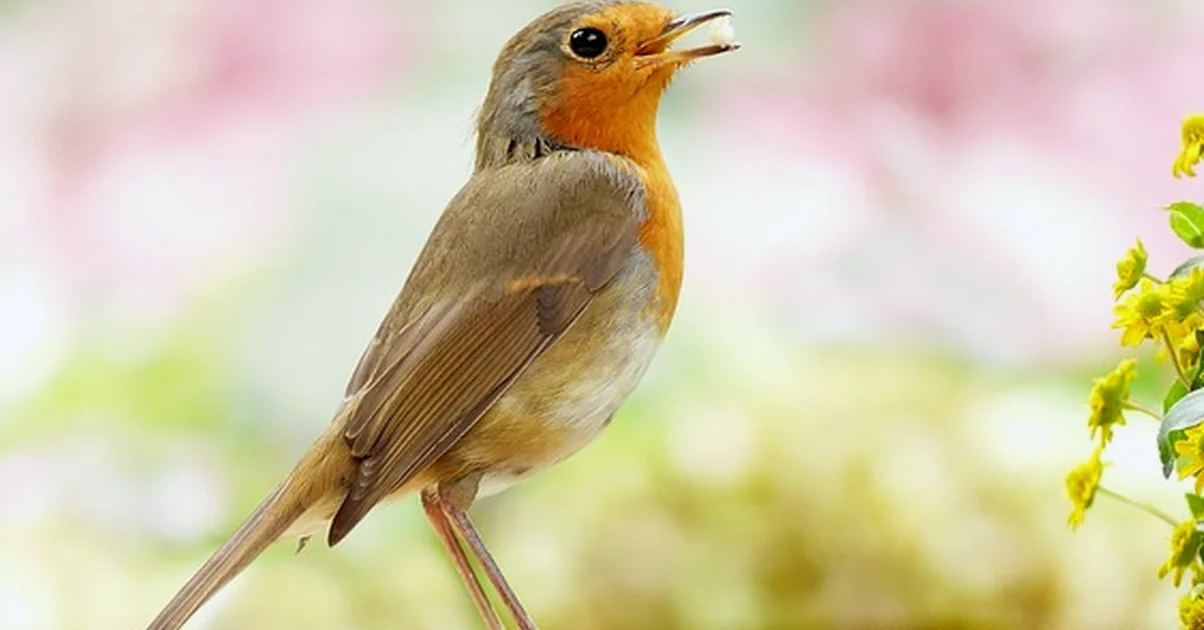
American Goldfinches, Pine Siskins, Common Redpolls, and some House Finches are regular nyjer visitors. Robins rarely seek it because they favor insects, worms, and fruit; cardinals may pick up an occasional seed but do not usually target it.
Advertisement
Set up a finch feeder birds can actually use
Finches use nyjer most reliably from a narrow-port tube, mesh feeder, or sock feeder that keeps seed dry and flowing.
Which feeder releases tiny seeds?
Tube feeders are easiest to protect from rain, mesh feeders offer many feeding spaces but need brushing, and sock feeders are inexpensive but stay damp longer. Tap and rotate the feeder weekly; if seed does not shift toward the ports, empty it, brush it, wash with hot soapy water, rinse, dry fully, and refill.
Seed falls loose, not in lumps.
Seed shifts toward each port.
Mesh and holes are open.
Keep one safe location.
Where should a finch feeder hang?
Hang the feeder within 3 feet of a window or more than 10 feet away, using visible window markers when needed. Choose a sheltered but visible location with a clear approach, rather than a hidden corner where finches cannot easily see the feeder.
Feeder traffic changes with weather, local food crops, and finch movements, so a quiet feeder in one season may become busy in another. In summer, place it in bright shade or under a roof edge that limits heat and rain; in winter, a sunny, sheltered spot can make feeding more appealing. Add visible window markers if birds fly nearby.
When introducing a new station, keep it in the same safe location for several weeks and consider hanging it near an established feeder before relying on it as the only food source.
Keep nyjer fresh and fix blocked feeders
Stored seed lasts longer than feeder seed, which faces humidity, rain, heat, and bird droppings every day.
How long does stored seed last?
Keep bags in a cool, dry indoor container with a tight lid, and let smell, dryness, and free-flowing texture determine whether seed is still usable.
| Condition | Useful range | What to do |
|---|---|---|
| Unopened, cool indoor storage | About 6 to 12 months | Check before filling feeder |
| Opened, sealed indoor container | About 3 to 6 months | Buy smaller bags in summer |
| Hot or humid garage | About 1 to 3 months | Move indoors if possible |
| Seed already in feeder | About 1 to 2 weeks in damp weather | Empty and dry after rain |
What blocks ports and mesh?
Seed dust, wet clumps, pollen, and greasy residue can block ports or coat fine mesh. Empty the feeder before cleaning; pushing a toothpick through a filled port can force a plug deeper into the channel.
For routine bird feeder cleaning, empty nyjer completely before taking the feeder apart. Brush a fine-mesh feeder inside and out to remove dust and hull fragments, then use a narrow bottle brush or pipe cleaner to clear clogged feeder ports on a tiny-port tube feeder. Wash removable parts with hot, soapy water, rinse thoroughly, and let every part dry completely before refilling.
Turn a sock feeder inside out when possible and replace it if it remains stained, musty, or slow to dry. Never add fresh seed over old residue, because trapped moisture can create mold where birds cannot see it.
Common questions
Is nyjer the same as thistle seed?
Nyjer is commonly sold as thistle seed, but it comes from Guizotia abyssinica, not a true thistle plant.
What birds eat nyjer seed?
American Goldfinches, Pine Siskins, Common Redpolls, and some House Finches are the most regular visitors.
Do robins like niger seed?
No, American Robins do not normally seek Niger seed from feeders; they favor insects, earthworms, berries, and fruit.
How long should I wait for goldfinches?
Wait at least 7 to 14 days, keep the feeder still, and confirm that seed flows freely before changing anything.
Can wet seed be dried and used again?
No, wet or clumped seed should be discarded because moisture can support mold growth that is not always visible.
Advertisement
A simple plan for a busy finch feeder
- Use a small bag of fresh, loose, dry seed instead of storing a large supply through summer heat.
- Choose a fine-mesh or small-port feeder, then test that seed moves freely to each feeding point.
- Leave the feeder in one safe location for 7 to 14 days so finches can find and accept it.
- Pick sunflower chips instead if broad backyard activity matters more than attracting specialist finches.
Learn more
Here are some additional resources on this subject:
- 5 Fascinating Facts About Nyjer Seed — lyricbirdfood.com
- Nyjer® Wild Bird Seed, 5-lb Bag | Thistle Seed for Finches — duncraft.com
- Nyjer - Bird Seed — order.wbu.com

The Bird Care Guide Team
Our guides are based on comparing specialized avian care sources, breeder input, and recognized animal welfare guidelines — we are not veterinarians or professional breeders, and we say so where it matters.
The information on this site is general in nature. For any concerns about the health or wellbeing of your bird, always consult an avian veterinarian.