Table of Contents
Advertisement
Utah’s avian influenza notice matters beyond Utah
The Utah Division of Wildlife Resources’ recent public guidance on avian influenza and wild birds is a useful reminder that a backyard feeder is not an isolated wildlife feature. It is a shared contact point: a place where multiple birds, their droppings, spilled seed, and sometimes domestic poultry can come into close proximity.
For people who maintain bird feeders, bird baths, or outdoor aviaries, the practical question is not whether every feeder automatically causes avian influenza. It does not. The more important question is whether local disease activity, bird behavior, and the design and maintenance of a feeding station are creating avoidable opportunities for contamination.
Highly pathogenic avian influenza (HPAI), often discussed in relation to H5 viruses, is primarily a major concern for wild waterfowl and domestic poultry. Ducks and geese can carry and shed virus while showing few obvious signs of illness. Raptors and scavengers may become sick after consuming infected birds. Poultry—including backyard chickens, ducks, turkeys, and captive game birds—can be highly vulnerable when virus is brought into their environment.
That distinction matters for songbird enthusiasts. Typical backyard songbirds are not considered the main reservoir or a major driver of HPAI spread. However, any location where birds gather can become a sanitation concern, especially if sick or dead birds are present, if water is shared, or if a feeder sits near a poultry enclosure.
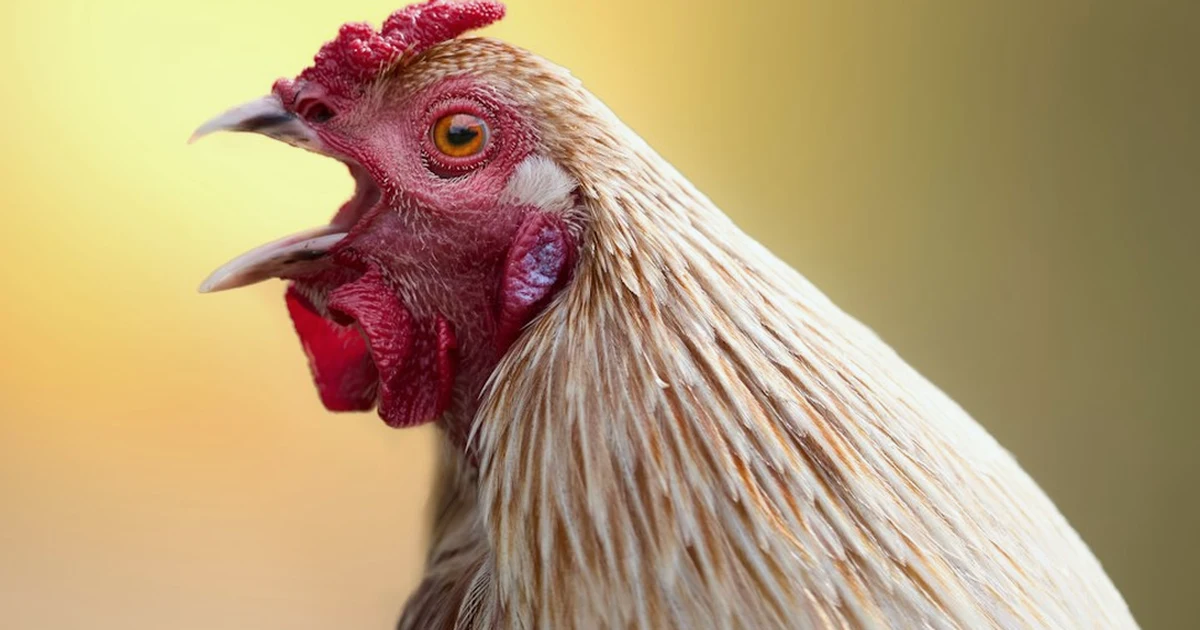
Why feeders and baths require a risk-based response
Feeders are not the same as poultry exposure
Blanket advice to permanently remove every feeder can discourage people from supporting birds during difficult weather or migration periods without necessarily addressing the highest-risk pathways. A better approach is to assess the setting.
A feeder used only by small passerines in a clean suburban yard, far from poultry and without reports of sick birds, presents a different scenario from a feeder located beside a chicken run, duck pen, pond, or waterfowl-heavy property. The latter arrangement can create an indirect route for contamination: wild birds visit the feeding area, a person handles equipment or walks through droppings, and the virus is then carried on footwear, hands, tools, or clothing into the flock.
The takeaway is straightforward: if you keep poultry, a wild-bird feeding station should not be near the birds, their feed, their water, or the route you use to care for them. In periods of confirmed local HPAI activity, temporarily removing bird feeders and bird baths from a poultry property is a prudent biosecurity decision.
Bird baths deserve extra attention
Water is often the weak point in an otherwise well-managed bird-feeding setup. A dry feeder can be cleaned and refilled with relatively limited handling. A bird bath concentrates bird traffic, fecal material, wet organic debris, and splashing. Waterfowl are particularly relevant because avian influenza viruses can be shed in feces and contaminate water.
A decorative bath that is frequently visited by robins, finches, and sparrows is not equivalent to a pond used by ducks and geese, but it still needs regular maintenance. During heightened local concern, taking down a bird bath can be more sensible than maintaining it casually. If it remains in use, dump and scrub it frequently, use fresh water, and prevent access by domestic poultry.
Advertisement
The practical signs that should change your routine
The Utah notice should prompt feeder owners to pay attention to what they see—not just to broad headlines. Disease response becomes more urgent when there are reports from local wildlife or agriculture agencies, unexplained clusters of dead birds, or visible illness among waterfowl, raptors, or poultry.
Potential warning signs in wild birds can include unusual lethargy, inability to stand or fly normally, tremors, lack of coordination, head or neck twisting, respiratory distress, or multiple birds found dead in the same area. These signs are not unique to avian influenza; trauma, poisoning, other diseases, and harsh weather can look similar. That is why homeowners should avoid diagnosing the cause themselves.
Do not touch a sick or dead bird with bare hands. Keep children and pets away, and contact the relevant state wildlife agency or local animal-control authority for reporting instructions. A single dead songbird may not trigger a response, while several dead waterfowl, scavenging birds, or birds of prey could be more significant. Follow the reporting criteria published by your state rather than transporting a bird to a rehabilitator or veterinary office without being asked.
A practical feeder and bath plan for homeowners
If you do not keep poultry
For households without chickens, ducks, or other domestic birds, focus on hygiene and observation rather than panic.
- Check state and local wildlife alerts. Disease conditions can change by county and season. Use your state wildlife agency and agriculture department as primary sources.
- Clean feeders routinely. Remove old seed and visible droppings. Wash hard feeder surfaces with soap and water, rinse thoroughly, and allow them to dry completely before refilling.
- Manage seed on the ground. Rake or remove discarded hulls and wet seed below feeders. Crowded ground-feeding areas attract rodents and can increase contact among birds.
- Refresh bird-bath water often. Empty it, scrub away biofilm and debris, rinse, and refill with clean water. Do not merely top off dirty water.
- Pause feeding if sick or dead birds appear nearby. Remove feeders and baths temporarily, clean the area, and seek agency guidance before restoring them.
- Keep pets away from carcasses. Dogs and cats should not sniff, mouth, or eat dead birds, particularly waterfowl and raptors.
If you keep backyard poultry or captive birds
For poultry keepers, the standard should be much stricter. Wild birds must not have access to poultry feed, water, bedding, housing, or outdoor runs. Store feed in sealed containers, repair holes in netting and roofs, and avoid leaving spilled grain where wild birds can forage.
Use dedicated footwear and clothing for poultry chores. Wash hands after handling wild-bird equipment before entering the coop. If possible, care for pet birds or poultry before servicing outdoor feeders and baths—not after. Never share buckets, brushes, hoses, or cleaning tools between a bird-feeding station and a poultry enclosure.
Owners of pet parrots, finches, canaries, and other indoor cage birds should also limit contact with outdoor birds and their equipment. Keep cages indoors or in protected screened areas, wash hands before handling cage dishes, and do not bring found feathers, nests, or injured wild birds into the home.
What this means for buying and placing equipment
This advisory also changes what “good” feeder and bath design looks like. Choose feeders that can be fully disassembled and washed, with smooth surfaces and drainage rather than damp seed reservoirs. Avoid models that trap wet seed in inaccessible seams. Position feeders where they can be reached without crossing a poultry area, and where fallen seed can be cleaned easily.
For bird baths, favor shallow, easy-to-scrub basins over heavily textured concrete designs that retain grime. A bath should be stable, placed away from poultry housing, and emptied easily. If your yard is regularly used by ducks or geese, reconsider whether a communal water feature is appropriate during an active local outbreak.
The central lesson is not to stop enjoying wild birds. It is to treat feeders and baths as wildlife infrastructure that requires maintenance, situational awareness, and separation from domestic birds. Temporary removal is an effective tool when risk rises; clean, thoughtfully placed equipment is the baseline the rest of the time.
Advertisement
FAQ
Should I take down my bird feeder because of avian influenza?
Not necessarily. If you do not keep poultry and there are no local instructions to remove feeders, routine cleaning and monitoring may be appropriate. Remove feeders temporarily if sick or dead birds are found nearby, if officials advise it, or if your property also houses poultry.
Are backyard songbirds likely to spread avian influenza to people?
Backyard songbirds are generally not considered the main source of HPAI transmission. Still, avoid handling sick or dead birds, clean feeder equipment, and wash hands after outdoor bird-related chores. People who keep poultry should use stronger biosecurity measures because domestic flocks are highly susceptible.
Should I stop using my bird bath during an outbreak?
A bird bath can create more shared contact than a feeder because birds gather around the same water and contaminate it with debris and droppings. During confirmed local activity—especially near waterfowl or poultry—temporarily removing the bath is a reasonable precaution. Otherwise, empty, scrub, rinse, and refill it frequently.
What should I do if I find a dead bird near my feeder?
Keep pets and people away, do not handle it with bare hands, and check your state wildlife agency’s reporting guidance. If agency staff instruct you to dispose of it, use disposable gloves, bag the carcass securely, wash hands, and disinfect any tools or surfaces that contacted it. Pause use of nearby feeders and baths until the area has been cleaned and you have reviewed local guidance.
Source: Utah Division of Wildlife Resources (.gov) — Wed, 29 Apr 2026 20:23:48 GMT

The Bird Care Guide Team
Our guides are based on comparing specialized avian care sources, breeder input, and recognized animal welfare guidelines — we are not veterinarians or professional breeders, and we say so where it matters.
The information on this site is general in nature. For any concerns about the health or wellbeing of your bird, always consult an avian veterinarian.